
Philosophy and Underlying Principles
Lymphatic drainage massage operates on the premise that our lymphatic system is a vital component of our immune defense. This intricate network of vessels and nodes transports lymph—a clear fluid containing white blood cells, proteins, and waste products—throughout the body. Unlike the circulatory system, which relies on the heart’s pumping action, the lymphatic system lacks a central pump. Instead, it relies on muscle contractions, breathing, and external stimuli to propel lymph fluid.
The philosophy behind lymphatic drainage massage revolves around three key principles:
Detoxification and Waste Removal: By stimulating lymph flow, this massage technique aids in the removal of metabolic waste, toxins, and excess fluid from tissues. It acts as a natural detoxifier, promoting cellular health.
Immune System Support: A well-functioning lymphatic system enhances immune responses. Lymph nodes act as checkpoints, filtering harmful substances and pathogens. Lymphatic drainage massage boosts this immune surveillance.
Reduction of Swelling and Edema: Whether due to surgery, injury, or chronic conditions, localized swelling (edema) can impede lymph flow. Lymphatic drainage massage gently redirects stagnant lymph, reducing swelling and promoting tissue healing.
Techniques and Application
Lymphatic drainage massage employs gentle, rhythmic movements to encourage lymphatic flow. Here are the key techniques:
Clearing Phase:
Stationary Circles: The therapist places hands on specific lymphatic clusters (such as the neck, armpits, or groin) and applies gentle circular pressure. This encourages lymph movement.
Pump Movements: Using light pressure, the therapist pumps lymph toward the nearest lymph nodes. These movements facilitate fluid release from tissues.
Reabsorption Phase:
Stretch Movements: Delicate stretching motions help open lymphatic vessels, allowing fluid to flow toward the nodes.
Sequential Movements: The therapist systematically works through the lymphatic pathways, ensuring comprehensive drainage.
Characteristics of Lymphatic Drainage Massage
Gentle and Soothing: Unlike deep tissue massage, lymphatic drainage is soft and calming. It prioritizes comfort and relaxation.
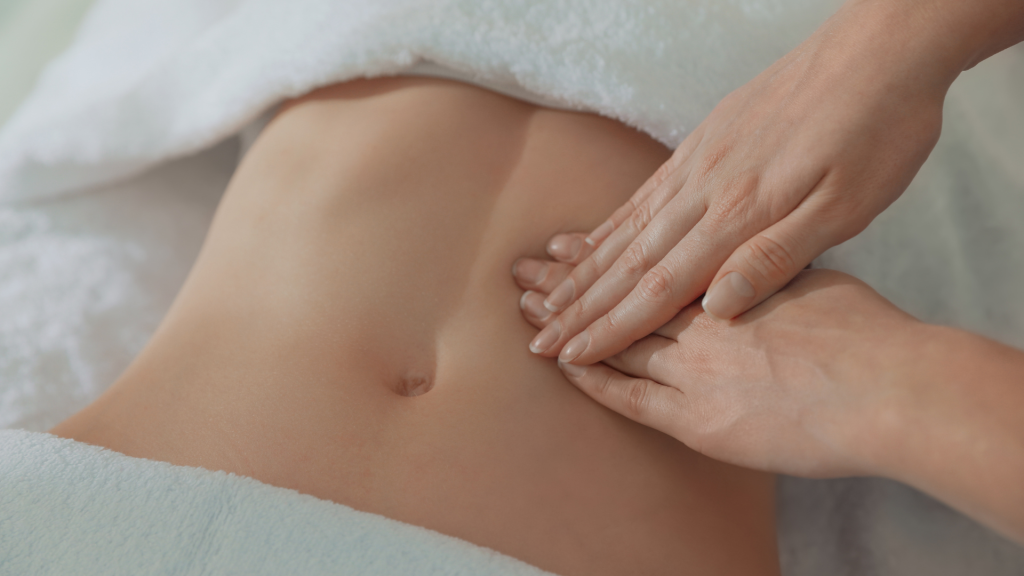
Specific Target Areas: Therapists focus on regions with lymphatic congestion, such as the arms, legs, neck, and abdomen.
No Oil or Creams: Lymphatic drainage is typically performed without oils or creams to maintain skin traction.
Individualized Approach: Each session considers the client’s unique needs, health history, and specific areas of concern.
Benefits of Lymphatic Drainage Massage
Reduced Swelling and Edema:
Ideal for post-surgery recovery, injury rehabilitation, and managing conditions like lymphedema.
Accelerates tissue healing by promoting fluid movement.
Enhanced Immune Function:
Supports the body’s defense mechanisms by improving lymph circulation.
May benefit individuals with autoimmune disorders.
Stress Reduction:
The gentle touch and rhythmic movements induce relaxation.
Alleviates stress-related tension.
Detoxification:
Flushes out metabolic waste and toxins.
Enhances overall vitality.
Skin Health:
Improves skin tone and texture.
May reduce acne and promote a healthy complexion.
Chronic Pain Management:
Beneficial for conditions like fibromyalgia and rheumatoid arthritis.
Eases joint and muscle discomfort.
In summary, lymphatic drainage massage is a holistic therapy that harmonizes body and mind. Whether you seek relief from swelling, immune support, or simply a serene escape, this gentle technique offers a pathway to wellness.
Remember, always consult a qualified massage therapist or healthcare professional before undergoing any specialized massage therapy.